

Published November 9, 2026
Is Moving Stressful For Seniors?


I'm going to be honest with you right from the start: yes, moving can be stressful for seniors. I've walked alongside enough clients through this process to know that minimizing that reality doesn't serve anyone.
But here's what I also know from years of doing this work, the stress is manageable. It's predictable. And when you have the right support, the right plan, and the right people around you, moving in your senior years can become one of the most empowering decisions you ever make.
In this post I want to talk honestly about why moving feels hard for so many seniors, what makes it harder than it needs to be, and, most importantly, what actually helps. Because the goal isn't just to get through the move. It's to arrive on the other side feeling good about it.
Why Moving Feels Different for Seniors
Before we talk about solutions, I think it's worth acknowledging something that doesn't get said enough in real estate conversations: moving later in life carries a weight that moving in your 30s simply doesn't.
When a 35-year-old moves, they're usually chasing something, a new job, a bigger home, an exciting city. The move feels like momentum. When a senior moves, the emotional landscape is more complicated. You may be leaving a home where you raised your children. A neighborhood where you know everyone. A yard you've tended for decades. Rooms that hold the fingerprints, literally and figuratively, of a life well lived.
That kind of leaving is genuinely hard. And I think it deserves to be acknowledged as such before we talk about any practical steps.
Beyond the emotional weight, there are real physical and logistical challenges that tend to be more pronounced for seniors:
Decades of accumulated belongings
Thirty or forty years in one home means a lot of stuff. Deciding what to keep, what to pass on, what to donate, and what to let go of is an enormous undertaking, emotionally and physically.
Physical limitations
The packing, lifting, sorting, and general physical demands of a move are harder when our bodies aren't what they were at 40. This isn't a weakness, it's just reality, and planning around it matters.
Decision fatigue
Moving involves hundreds of decisions, large and small, made over a compressed period of time. For seniors, especially those navigating health challenges or grief, that volume of decision-making can be genuinely exhausting.
Fear of the unknown
Leaving a familiar home and community and stepping into something new, even something better, can trigger real anxiety. That's human. It's not a reason not to move, but it is a reason to move thoughtfully.
The Biggest Sources of Stress And What Actually Helps
In my years of working specifically with senior clients here in Carson City and the broader Northern Nevada area, I've seen the same stress points come up again and again. Here's what they are and what I've found genuinely helps.
Stress #1: Not knowing where to start
This is probably the most common thing I hear. Seniors who know they probably need to move, or want to move, but feel so overwhelmed by the scope of it that they can't take the first step. The whole thing feels like too much, so nothing happens.
What helps: Breaking it into the smallest possible first step. Not "I need to sell my house and find a new place and pack everything." Just: "I'm going to have one conversation with a real estate professional to understand what my options are." That's it. No commitment, no pressure, just information. Most of my clients tell me that first conversation was the thing that made everything feel possible.
If you're not sure where to begin, my Senior & Downsizing Services page explains exactly how I work with senior clients through this process.
Stress #2: The emotional weight of letting go
I've sat with clients who were completely ready to move logically, they knew it made sense, they knew the new home would serve them better, but they would walk into their living room and just freeze. Because that's where their spouse proposed. Where they opened Christmas presents with their kids for twenty years. Where they sat with their mother in her final months.
You can't rush that. And you shouldn't try to.
What helps: Giving yourself genuine permission to grieve the transition before, during, and after the move. Involving family in meaningful ways, not just as helpers, but as witnesses to this chapter. Taking photos of every room before you pack. Writing down the memories attached to your home so they travel with you in a way the furniture can't. And working with a real estate professional who understands that this is more than a transaction.
Stress #3: Downsizing, deciding what to keep
For most seniors, downsizing means confronting decades of accumulated belongings. Furniture, dishes, books, tools, holiday decorations, children's artwork, old photographs, every item is a decision, and some of those decisions carry enormous emotional weight.
What helps: Starting early and going slowly. I always tell my clients: don't try to do this in a week. Give yourself months if you have them. Start with the rooms that feel least charged, the garage, the guest room, the utility spaces, before moving into the rooms that carry the most meaning. Involve family members where it helps, but set boundaries around the process so it doesn't become chaotic.
For larger estates, a professional estate sale company can be genuinely invaluable. They handle the logistics of pricing, advertising, and selling items so you don't have to. I can connect you with trusted estate sale professionals here in the Carson City area who work regularly with seniors and handle the process with real care and respect.
Stress #4: Worrying about the real estate process itself
Selling a home involves a lot of moving parts, pricing, showings, negotiations, inspections, timelines, and for seniors who haven't sold a home in twenty or thirty years, the process can feel completely foreign and overwhelming.
What helps: Working with a realtor who specializes in senior clients and takes the time to explain every step clearly, patiently, and without jargon. As an SRES®-certified realtor, this is exactly what I'm trained to do. My job isn't just to sell your home, it's to make sure you understand and feel comfortable with every part of the process.
I also make sure my senior clients are never rushed. We set timelines that work for you, not for the market's convenience. And I'm always available to answer questions, no matter how many times you need to ask them.
Wondering what the current Carson City market looks like for sellers? Read my post on When Should Senior Citizens Consider Selling Their Home in Carson City?
Stress #5: Fear of making the wrong decision
This one runs deep. What if I sell and regret it? What if the new place doesn't feel like home? What if I give up too much and can't get it back?
These are real fears, and I respect them. But I've also watched what happens when seniors let that fear keep them frozen in a home that no longer serves their needs, and the longer-term cost of that inaction is often greater than the discomfort of the move itself.
What helps: Making decisions based on clear information rather than fear. Understanding your options fully before committing to anything. And surrounding yourself with advisors, a realtor, a financial advisor, an attorney if needed — who give you honest guidance rather than just telling you what you want to hear.
Still weighing whether to sell or stay? My guide: Should Seniors Sell Their House or Rent When They Retire? walks through this in detail.
Stress #6: The physical demands of moving day itself
The actual logistics of moving, packing boxes, loading trucks, cleaning out a lifetime of belongings, can be physically demanding in ways that genuinely require planning for senior movers.
What helps: Hiring professional movers who have specific experience with senior relocations. This is not a job for well-meaning family members with a pickup truck. Professional senior moving services are trained to handle this process with care, efficiency, and patience. Many also offer packing services, which removes one of the most physically demanding parts of the process entirely.
I keep a list of trusted moving professionals in the Carson City and Northern Nevada area who work specifically with seniors, and I'm always happy to make introductions.
What Makes Moving Easier | A Practical Guide
Based on everything I've seen with my senior clients, here are the things that consistently make the biggest positive difference:
Start the conversation early
The more runway you give yourself, the less pressured everything feels. You don't have to be ready to move to start gathering information. Most of my best client relationships started a year or more before an actual transaction.
Build your support team intentionally
A senior-focused realtor, a trusted financial advisor, an estate attorney if your situation calls for it, a professional organizer or estate sale company, and experienced senior movers. Each of these people carries a piece of the load so you don't have to carry all of it.
Set a realistic timeline
There is almost never a reason to rush a senior relocation. Give yourself time to declutter gradually, to make decisions thoughtfully, and to prepare emotionally. A well-paced move is almost always a less stressful move.
Get clear on your destination
Uncertainty about where you're going amplifies every other stress. The sooner you have a clear picture of your next home, whether that's a downsized property in Carson City, a home in Reno or Sparks, a community in Dayton or Silver Springs, or a senior living community, the more grounded the whole process feels.
Let people help you
This is one that many seniors struggle with, accepting help can feel like losing independence. But building a team around you and letting them do their jobs is actually how you stay in control of your own transition. Delegating the logistics frees you up to focus on the decisions that only you can make.
A Word to Adult Children and Family Members
If you're reading this not as the senior making the move, but as an adult child helping a parent navigate this decision, I want to speak directly to you for a moment.
Your instinct to help is beautiful. And the most helpful thing you can do is probably not what you think it is.
The most helpful thing is to listen. To create space for your parent to express fear, grief, and ambivalence without rushing them toward a decision. To be a witness to this transition rather than a manager of it. To involve them in every decision rather than making decisions on their behalf whenever possible.
The second most helpful thing is to connect them with the right professionals, people who do this work every day and can carry the technical weight of the process so that your relationship with your parent doesn't have to become about logistics.
I work with families in this situation regularly, and I've found that the moves that go most smoothly are the ones where the senior feels genuinely respected and heard throughout the process, not just moved from Point A to Point B.
Is Moving Worth It?
Every single time.
I have never had a client,not one, who made a thoughtful, well-supported move in their senior years and looked back with regret. What I see, over and over again, is relief. A lighter life. A home that actually fits who they are now. More energy because they're not pouring it into maintaining a property that no longer serves them. More connection because they're living closer to family or in a community built for people in their season of life.
The stress of moving is real. But it's temporary. What comes after, when the move is done and the new chapter has begun, that's what lasts.
Frequently Asked Questions
Is moving stressful for seniors? Yes, it can be, and that's completely normal and valid. The combination of emotional attachment to a longtime home, the physical demands of moving, decades of belongings to sort through, and the uncertainty of what comes next creates real stress. But with the right support team, a realistic timeline, and a patient process, that stress is very manageable. Most seniors find that the relief and freedom on the other side far outweighs the difficulty of the move itself.
What age is hardest to move? There's no single answer, but research and my own experience suggest that the emotional difficulty of moving peaks when seniors have lived in a home for a very long time, often 20 years or more. The longer the history in a home, the more emotionally weighted the transition. That said, the practical difficulty of moving also increases as physical health changes, which is one reason I encourage seniors to consider making a planned, proactive move before a health event makes the decision for them.
How do I help an elderly parent who doesn't want to move? Patience and listening are your most powerful tools. Avoid ultimatums or pressure, which almost always backfire. Instead, focus on understanding what your parent is afraid of losing and address those specific concerns. Sometimes bringing in a neutral third party, like a senior real estate specialist, to have an informational conversation can help, because it takes the pressure off the family dynamic. Give it time, and keep the conversation open.
How long does it take for seniors to adjust after moving? Most research suggests that seniors who move into environments that better fit their needs adjust within three to six months, and many report feeling better almost immediately once they're settled. The adjustment period is shorter when the senior was genuinely involved in choosing their new home and community. Maintaining social connections, getting involved in local activities, and decorating the new space with familiar belongings all support a faster, healthier adjustment.
What is the best type of move for seniors? The best move for a senior is one made proactively, on their own timeline, with full involvement in the decision-making process. Whether that means downsizing within Carson City, relocating to a nearby community like Reno, Sparks, or Dayton, or transitioning into a senior living community depends entirely on the individual's health, financial situation, lifestyle preferences, and family circumstances. A senior-focused realtor can help you think through all of these options clearly.
Does moving help seniors feel less isolated? Often, yes, particularly when the move brings seniors closer to family or into a community specifically designed for their age group. Social isolation is one of the most significant health risks for older adults, and moving into a more connected living situation can have a genuinely profound positive impact on mental and physical wellbeing.
My Final Thoughts
If you're a senior in Carson City or anywhere in Northern Nevada who is thinking about moving, even just thinking about it, I want you to know that you don't have to figure this out alone.
My entire practice is built around helping seniors navigate this transition with dignity, patience, and genuine care. I'm not here to push you toward a sale. I'm here to give you honest information, walk alongside you through a process that can feel overwhelming, and help you arrive at a decision that truly serves your life.
The stress is real. But so is the life waiting for you on the other side of it. And that life is worth working toward.
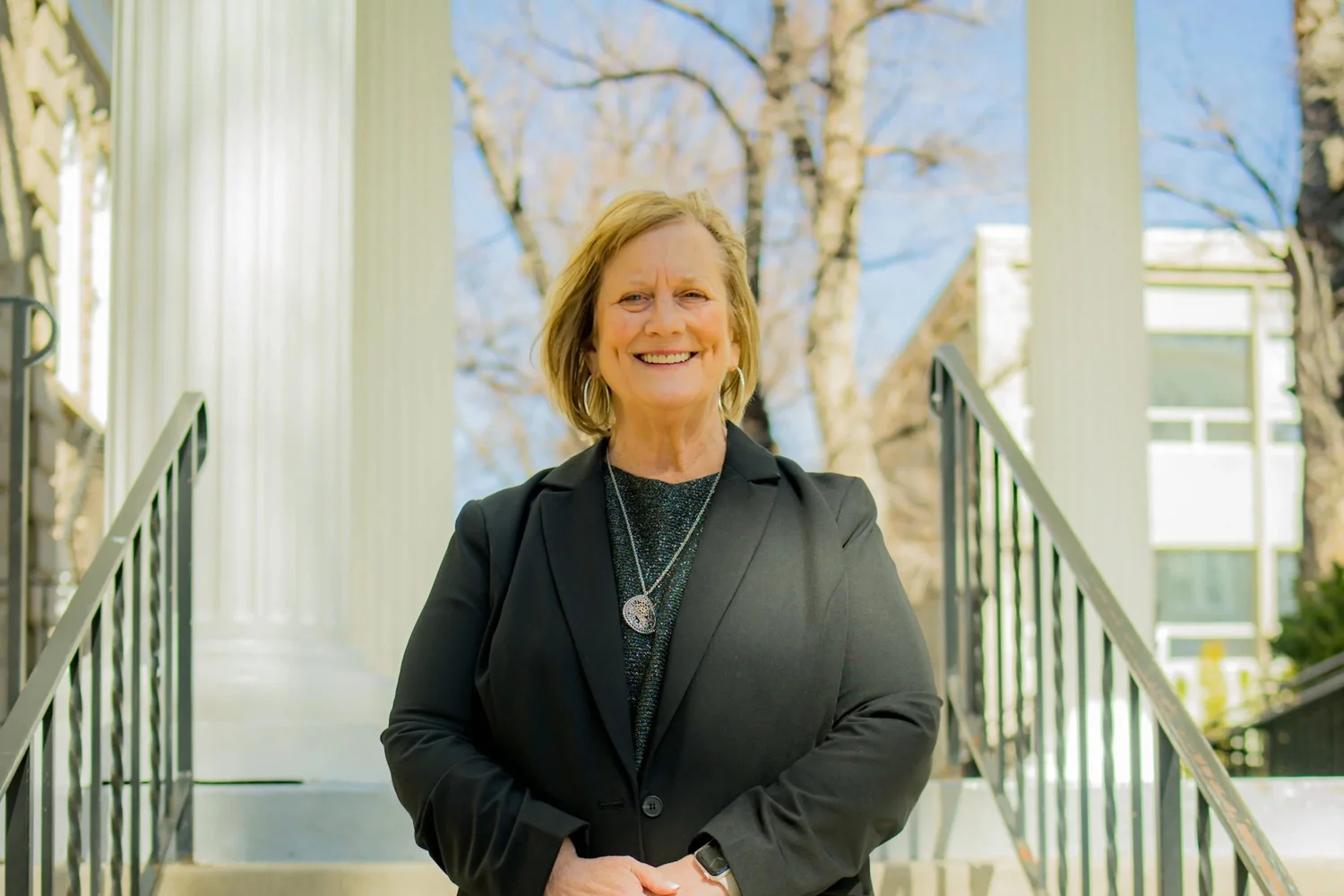
Let's Talk
Contact me directly to schedule your free, no-pressure consultation. I'm Lisa Williams, and I'm here to help you move forward with confidence into your next chapter.

Lisa Williams
| The A Team | Berkshire Hathaway HomeServices Drysdale | PLACE
or another way